Microsoft Dynamics 365 ERP Australia helps manufacturing companies turn over inventory 30% faster. Retail businesses see their demand forecasting accuracy improve by 25%. Field service companies report 40% better first-call resolution rates with this system.
The platform combines traditional CRM and ERP features into one complete solution. Australian businesses that use Dynamics 365 get more than just improved efficiency. Cloud ERP solutions give remote teams easy access to their tools, which works great in Australia’s big geographical spread. Australian businesses using ERP can cut operational costs and deliver better customer experiences at the same time. Big global brands have seen amazing results – Coca-Cola Beverages Africa brought their finance and operations together and cut their processing time in half.
This piece will show you how Microsoft Dynamics 365 can optimize your Australian business operations. You’ll learn about common implementation challenges and get best practices to make sure your system delivers the most value possible.
Unified CRM and ERP Capabilities in Dynamics 365
Microsoft Dynamics 365 is a unique platform that combines traditional CRM and ERP functions into one ecosystem. This integrated approach creates a natural business management environment and changes how organizations work.
Modular Suite for Sales, Finance, and Operations
Dynamics 365’s strength comes from its modular design. Businesses can pick only the parts they need. They can choose from specialized applications like Finance, Supply Chain Management, Commerce, Sales, Marketing, and Customer Service. These applications work together naturally. Australian businesses can start with basic components and grow as their needs change.
The Finance modules provide complete capabilities for general ledger, accounts payable/receivable, cash management, budgeting, and financial reporting. Supply Chain Management helps optimize inventory levels and makes manufacturing smoother. It also coordinates logistics for timely order fulfillment. Companies that use Dynamics 365 ERP solutions have seen a 106% ROI over three years.
Cloud-Based Access for Remote Teams
Dynamics 365’s reliable cloud infrastructure is crucial for Australian businesses spread across big distances. Companies don’t need expensive hardware or IT maintenance.
Team members can access critical data, applications, and tools from any device with internet connectivity. Staff working from home, interstate, or internationally get the same system access as office workers. This ensures business continues smoothly. The platform improves efficiency, cuts costs, and helps businesses adapt quickly to change.
Integration with Microsoft 365 and Azure
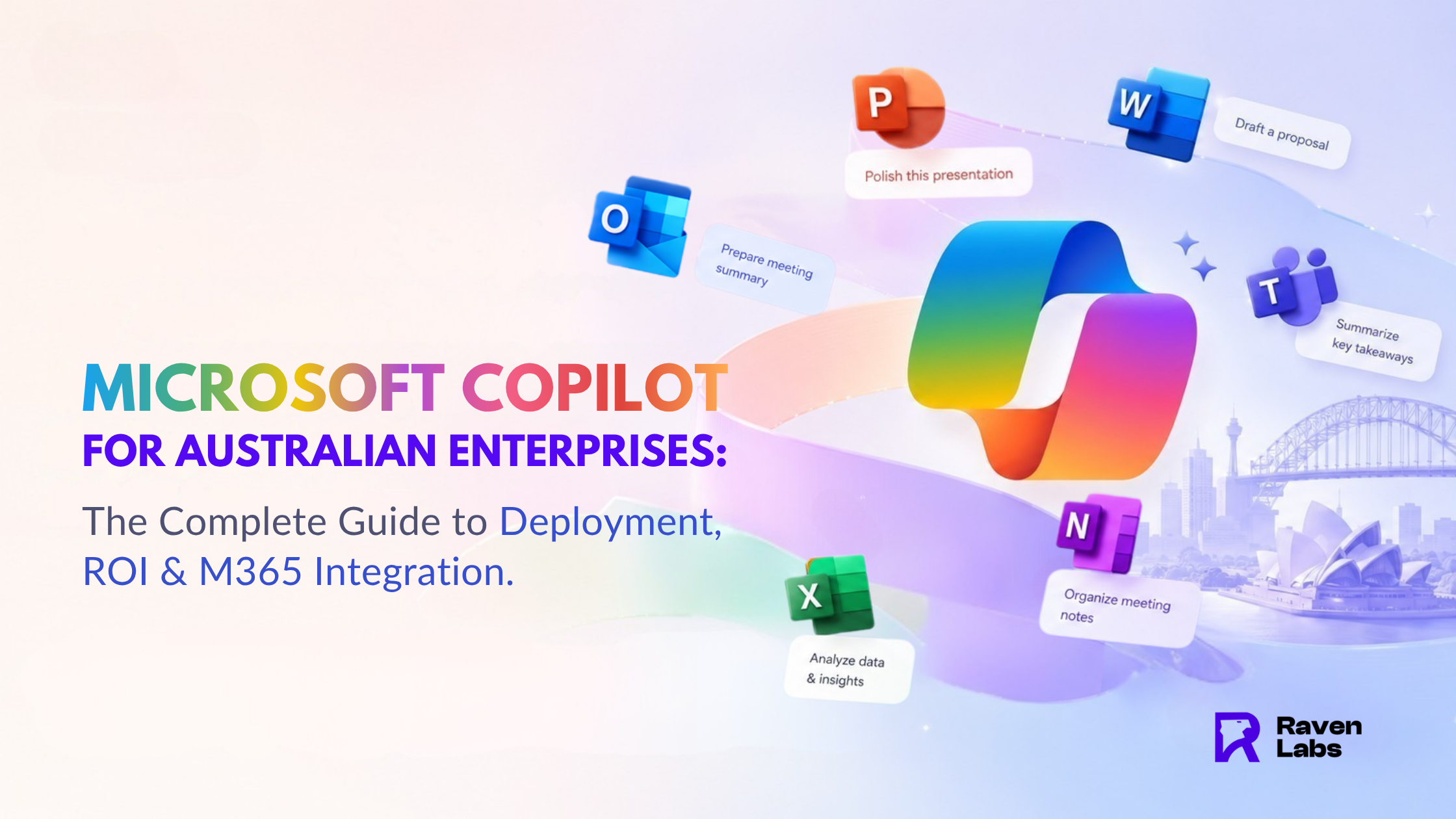
Dynamics 365 combines smoothly with other Microsoft products to create a unified digital workspace. Microsoft Teams integration enables immediate communication through chat, video calls, and document sharing. Outlook integration lets employees see customer data right in their email.
Azure integration adds more features through secure, expandable data exchange and workflow automation. The Common Data Model lines up data structures across Dynamics 365 and Office 365. This ensures consistency throughout the system. Australian organizations can use this connected framework to accelerate growth and improve operations.
Key Benefits for Australian Businesses
Australian businesses need custom solutions that show clear results. Dynamics 365 meets these requirements with advanced features built for local market conditions.
Immediate Analysis for Evidence-Based Decisions
Dynamics 365 platform gives Australian businesses complete, immediate insights into their financial position and operations. The system shows instant metrics and KPIs that reflect current situations in contact centers and departments. Users can create interactive dashboards, track key performance indicators instantly, and explore data sets through native Power BI integration to find trends. Companies that use AI models make faster and more confident decisions. About 86% of businesses using predictive analytics report positive ROI.
Expandable Solutions for Growing Enterprises
Dynamics 365 helps Australian businesses grow with exceptional scaling features. The platform saw 105% year-over-year growth in customers with more than 100 paid users. This growth shows its ability to support expanding businesses. Database scaling efficiency remains high, with 99.85% of databases having enough resources without exceeding safe limits. Businesses can add modules at their own pace instead of replacing systems during growth.
Better Cooperation Between Departments
Dynamics 365 merges departments through shared workspaces in today’s connected business world. Teams work with the same data through a unified view that eliminates departmental barriers. Australian businesses can invite Microsoft Teams users to view and work on business records within chats or channels. This feature removes the need to switch between applications. Teams working together create consistent customer experiences and boost productivity.
Compliance with Australian Data Standards
Dynamics 365 Business Central includes local features built for Australian compliance needs. The platform automates Business Activity Statement (BAS) reporting, supports ATO-compliant reporting formats, and follows the Standard Chart of Accounts for Australia. These features help businesses manage their tax obligations to the Australian Taxation Office easily. The solution follows Australian data regulations strictly, which reassures businesses in highly regulated industries.
Common Implementation Challenges in Australia
Australian organizations face several challenges when they implement Microsoft Dynamics 365 ERP. The system offers powerful capabilities, but successful deployment depends on how well organizations deal with specific obstacles that pop up during the process.
Data Migration from Legacy Systems
Data migration remains one of the most underrated parts of Dynamics 365 implementation. Systems become less effective when organizations use poor data governance and incomplete migration strategies that result in inaccurate or missing data. Companies often struggle with dirty data problems. Their customer records get outdated, product codes don’t match, and historical pricing shows irregularities that need manual fixes. A full data review and cleanup 3-6 months before migration will keep costs under control and help the project succeed.
User Adoption and Training Gaps
The best technical system will fail if teams don’t want to use it. Research shows that 60% of employees feel frustrated with new software when change management falls short. Staff resistance usually comes from fear of unknown changes, worries about job security, or feeling overwhelmed – not just stubbornness. Many organizations don’t realize how much training they need and fail to create detailed programs that match different user roles and skill levels.
Integration with Existing Local Systems
Australian businesses typically run multiple systems for specific functions in different departments. Legacy system integration brings its own set of challenges – compatibility issues, data format differences, and security concerns top the list. Poor planning of these integrations can disrupt operations and create inefficiencies. Older technologies often cause compatibility problems because they lack modern APIs needed for smooth connections.
Budget Overruns and Scope Creep
Almost half of all ERP projects go over budget due to issues that could be avoided. Projects derail when organizations don’t set clear business goals and success metrics, which leads to scope creep, budget problems, and mismatched expectations. Projects stay on track when organizations treat implementation as a strategic move and dedicate internal resources to make quick, accurate decisions. Smart organizations set aside 25-50% of the original estimate as a backup fund for inevitable scope changes.
Best Practices for Dynamics 365 Implementation in Australia
Microsoft Dynamics 365 ERP Australia needs careful planning and strategic execution to succeed. Looking for a trusted Microsoft Dynamics 365 ERP & CRM partner in Australia? Raven Labs helps businesses implement, integrate, and optimize Dynamics 365 for real growth. Your organization can maximize return on investment and minimize disruption by following proven methods.
Partnering with Local ERP Implementation Services
Australian implementation partners provide better outcomes through their deep knowledge of local business requirements. Companies achieve smoother transitions when they work with certified Microsoft partners. These partners excel in industry-specific expertise for mining, manufacturing, and public services sectors. Local consultants adapt to changing business needs and provide complete post-implementation support.
Phased Rollouts by Department
Dynamics 365 works best when rolled out gradually across departments, offering better results than “big bang” implementations. The original timeline might be longer, but phased rollouts let organizations fall back on legacy systems if problems occur. Teams can make adjustments without affecting the overall project progress. Australian businesses with multiple locations find department or module-based implementation easier to manage.
Leveraging Existing Microsoft Licenses
Smart use of existing Microsoft investments reduces costs. Organizations save on implementation expenses by using their current Microsoft licenses. Dynamics 365 blends with other Microsoft products to create a unified ecosystem, helping businesses get the most from their licensing investments.
Testing and Quality Assurance Protocols
Testing plays a vital role in successful Dynamics 365 implementations. The best testing strategies combine unit testing, functional testing, process testing, and user acceptance testing. Quality assurance teams must verify that configurations match design specifications and business requirements. Australian organizations need accurate, consistent data and testing with realistic scenarios that mirror actual business operations.
Businesses must evaluate their requirements and strategic goals carefully to select the right Microsoft Dynamics 365 ERP Australia solution. The platform’s adaptable architecture lets small businesses and enterprise-level organizations customize their digital experience based on their operational needs.
Australian organizations see cloud ERP solutions as more than just a tech upgrade. These solutions represent a fundamental change in business strategy. Companies using Dynamics 365 cut operational costs by 20-35% and boost revenue by 5-10% through better customer retention.
Core modules take 3-6 months to implement, depending on complexity and customization needs. The system keeps delivering value after the original deployment. About 92% of businesses find new ways to improve efficiency in their first year.
Australian enterprises should assess their current processes and identify pain points before choosing implementation partners for Microsoft Dynamics 365 ERP solutions. Clear objectives must be set first. Success comes from focusing on business outcomes rather than just technical details.
A comprehensive needs analysis and careful vendor selection will set you up for success. Your commitment to improvement after implementation will help your ERP system deliver lasting value as your organization grows.
FAQs
Q1. What is Microsoft Dynamics 365 and how can it benefit Australian businesses
Microsoft Dynamics 365 is a comprehensive business management platform that combines CRM and ERP capabilities. It offers Australian businesses real-time analytics, scalability, improved collaboration across departments, and compliance with local data standards, helping to streamline operations and drive growth.
Q2. How does Dynamics 365 support remote work in Australia?
Dynamics 365’s cloud-based infrastructure allows remote teams to securely access critical data, applications, and tools from any device with internet connectivity. This is particularly valuable for Australian businesses operating across vast geographical distances, ensuring operational continuity and flexibility.
Q3. What are some common challenges in implementing Dynamics 365 in Australia?
Common challenges include data migration from legacy systems, user adoption and training gaps, integration with existing local systems, and budget overruns. Proper planning and partnering with experienced local implementation services can help address these issues effectively.
Q4. How can Australian businesses ensure a successful Dynamics 365 implementation?
Best practices include partnering with local ERP implementation services, adopting a phased rollout approach by department, leveraging existing Microsoft licenses, and implementing comprehensive testing and quality assurance protocols. These strategies help minimize disruption and maximize return on investment.
Q5. What kind of ROI can Australian businesses expect from Dynamics 365?
While specific results may vary, companies implementing Dynamics 365 ERP solutions have reported achieving a 106% ROI over three years. Additionally, businesses have experienced 20-35% reduced operational costs and 5-10% increased revenue through improved customer retention after successful implementation.